Independent Information About the Traditional Thai Sak Yant
Sak Yant Thailand was created to provide clear, knowledgeable and balanced information about the traditional Thai Sak Yant tattoo.
There is a great deal of information about Sak Yant available online, but much of it has been written from the perspective of tourists, travel bloggers, tattoo artists, tour operators or people describing a single personal experience. While these sources can be useful, they do not always explain the traditions, beliefs, lineages and practices behind Sak Yant, and information is often repeated online without establishing where it originally came from
Our purpose is different.
Sak Yant Thailand is an educational resource developed from knowledge shared directly by Sak Yant Monks and Ajarns, together with information gathered through conversations with practitioners from different traditions and areas of Thailand. This includes practitioners associated with Chiang Mai and Bangkok, including experienced Masters such as Ajarn Dang, Ajarn Sak, Ajarn Beer, Ajarn Non and Ajarn Tom in Chiang Mai, and Ajarn Ahm, Ajarn Deang, Ajarn Kris and Ajarn Nuad in Bangkok. Their backgrounds include different teachers, temples, family traditions and Sak Yant lineages.
Our Approach to Sak Yant Information
We do not believe that there is always one universal answer to every question about Sak Yant.
Sak Yant has developed through different teachers, families, temples and regional traditions. A practice followed by one Monk or Ajarn may not necessarily be followed by another. Designs can have different interpretations, ceremonies can vary, and the rules or beliefs associated with a particular Sak Yant may differ between lineages. Rather than hiding these differences, we believe they should be explained.
Knowledge From Practitioners, Explained for Everyone
The information on this website is based heavily on the knowledge and experience of people who actually practice Sak Yant.
Among the practitioners whose knowledge contributes to the wider information available through our associated network are Masters with backgrounds including family Sak Yant traditions, Wat Bang Phra, Lanna traditions, Wat Na Laung and other Thai spiritual and Buddhist traditions. For example, Ajarn Dang is described as a fifth-generation family Sak Yant Master, while other practitioners have studied under multiple teachers and within different regional traditions. In Bangkok, practitioners including Ajarn Deang, Ajarn Ahm and Ajarn Kris have documented backgrounds involving different teachers, temples and areas of Thai magical and Sak Yant practice.
These backgrounds are important because they demonstrate something that is frequently overlooked online:
There is not one single “Sak Yant tradition”. There are many practitioners, teachers, lineages and local traditions.
Why We Believe This Matters
For many visitors, receiving a Sak Yant is their first direct experience with an aspect of Thai spiritual and cultural tradition that they have previously only encountered online. We believe people should have the opportunity to understand what they are receiving before they receive it.
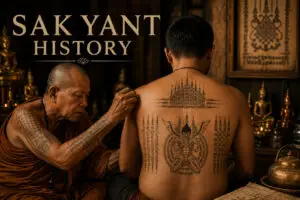
That means understanding that a Sak Yant is not simply a particular tattooing technique. The bamboo or steel needle, the design itself, the person performing the tattoo, the lineage, the inscriptions, the ceremony and the blessing can all form part of the traditional practice, depending on the Master and tradition involved.
Our purpose is simple:
To help people understand Traditional Thai Sak Yant from knowledgeable sources, so they can separate traditional practice from modern interpretation, internet myths and commercial marketing. Sak Yant Thailand has close knowledge and working relationships with practitioners and organisations involved in providing traditional Sak Yant experiences in Thailand, including Sak Yant Chiang Mai and Sak Yant Bangkok.
Those relationships give us access to first-hand knowledge that would otherwise be difficult to obtain in English. At the same time, this website is intended to remain an educational resource rather than simply a booking or promotional website. Where appropriate, we identify differences between practitioners and traditions rather than presenting information as universal simply because it comes from someone within our network.
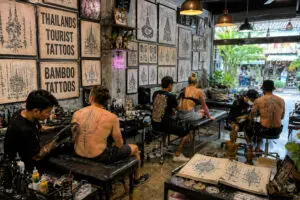
We are not so much focused on the tourist tattoos that normal tattoo shops do and promote as Bamboo Tattoos. These are not part of the Spiritual and traditional culture of Thailand. They are a modern reinvention with no legitimate association with Sak Yant History and traditions
[1]: https://sakyantchiangmai.com/about-sak-yant-chiang-mai/ “About Sak Yant Chiang Mai – Real Traditional Thai Tattoos”